Walk into the benchmark, learn from the benchmark, and turn insight into action

From a Sino-German joint venture to a nationwide manufacturing network

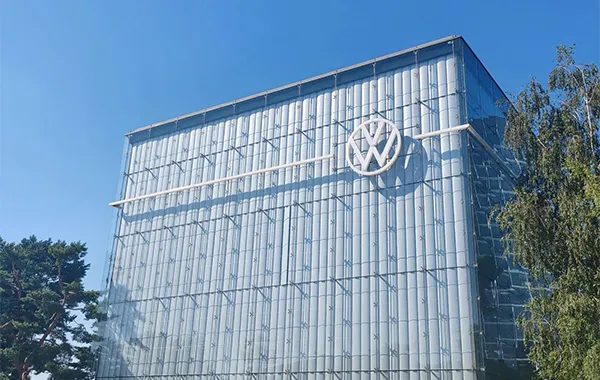
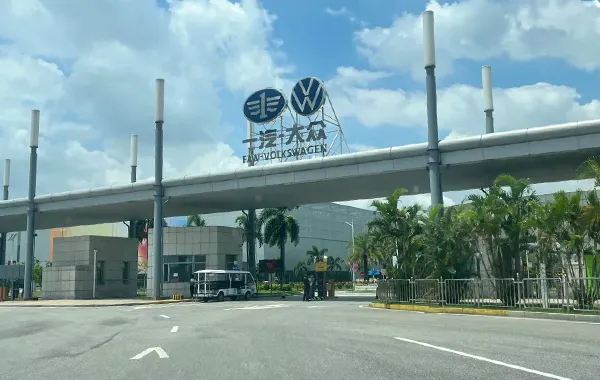
FAW-Volkswagen's development reflects more than the expansion of a production line. Founded at the beginning of the 1990s, the company grew from its Changchun base into a five-region vehicle-production network. Its history provides a practical lens on how partners combine industrial experience, local market understanding and organizational coordination over decades. For visiting managers, the question is not simply how many vehicles a factory can build, but how standards, people, suppliers and decisions work together when a business operates at scale.


Quality is a system, not a final inspection

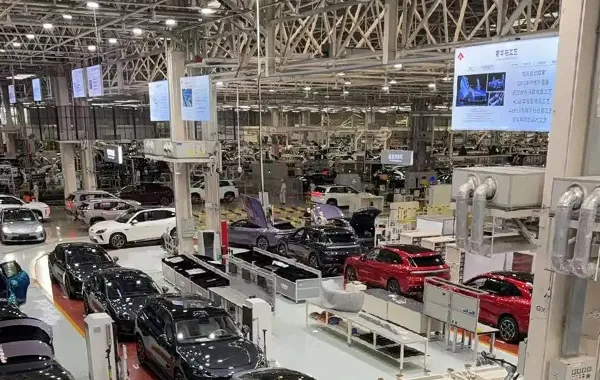
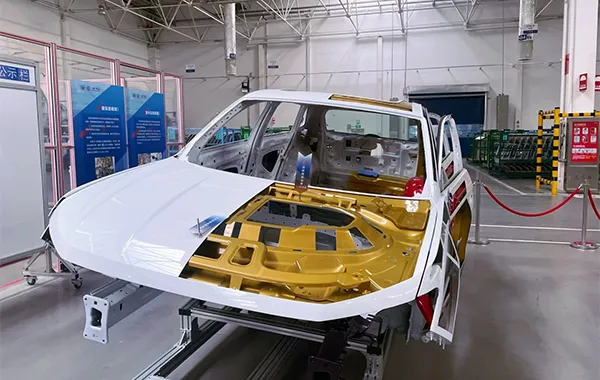
An automotive product depends on the coordination of design, suppliers, manufacturing, testing and after-sales feedback. FAW-Volkswagen's company profile describes facilities for vehicle testing, new-technology development, new energy, bench testing and acoustic testing, as well as a broad supplier and dealer network. A study visit can use the observable stages of production and the company's historical displays to ask sharper questions: Where is quality built into the process? What happens when a problem crosses departmental boundaries? And which lessons can a non-automotive enterprise apply to its own operations? Access to any specific production, laboratory or quality-control area must be agreed with the host.


The next chapter: established strengths meet intelligent electric mobility

FAW-Volkswagen's official history describes a shift toward electrification, digitalization and customer orientation. Its 2026 newsroom continues to discuss new-energy products and intelligent upgrades across its brand portfolio. The useful learning theme is the tension between continuity and change: how can a mature manufacturer retain its strengths in reliability, manufacturing and service while developing new technology and responding faster to local demand? This is an analysis topic, not a claim that visitors can inspect confidential vehicle programs or R&D facilities.


FAW-Volkswagen

Why choose this FAW-Volkswagen study tour?

Is your business thinking about these questions?

1. How can a company preserve consistent quality while operating across multiple plants, suppliers and product lines?
2. What should be standardized across a large organization, and what should be adapted to local customers?
3. How can a mature business balance its established products with investment in new technology?
4. How can engineering, procurement, manufacturing and sales respond together when customer expectations change?
5. How do long-term partners coordinate across different organizational and cultural backgrounds?


What can your team learn from FAW-Volkswagen?

This journey treats the company as a case study in industrial cooperation, quality management and transformation. Its official “Quality Journey” page offers corporate and group-visit reservation information for its bases, including Changchun, and describes workshop processes and historical displays as visit themes. The Changchun municipal tourism authority has also documented a basic visitor route encompassing an Audi assembly workshop, a Changchun-base history exhibition and an open industrial district. These sources establish a real reservation route—not a guarantee that every group, workshop, specialist or meeting will be approved on the requested date.


A comprehensive interpretation of FAW-Volkswagen through six learning dimensions:

1. Joint-venture governance and long-term cooperation: Examine the company's development as an example of industrial partnership and localization.
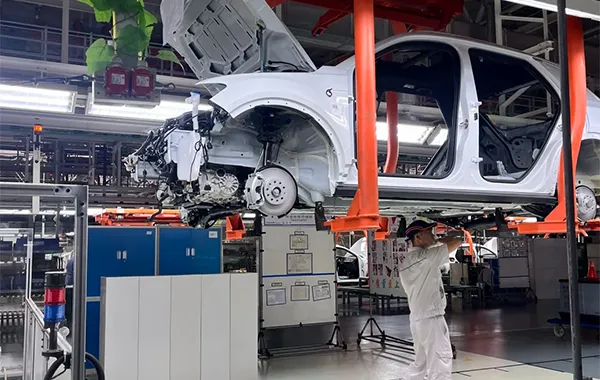
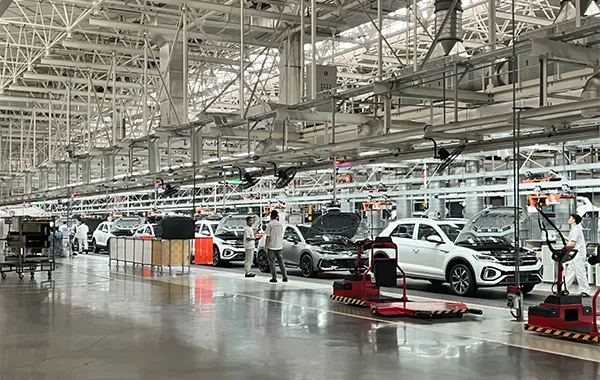
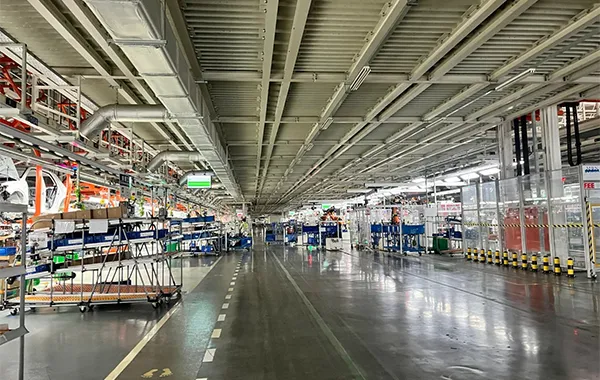
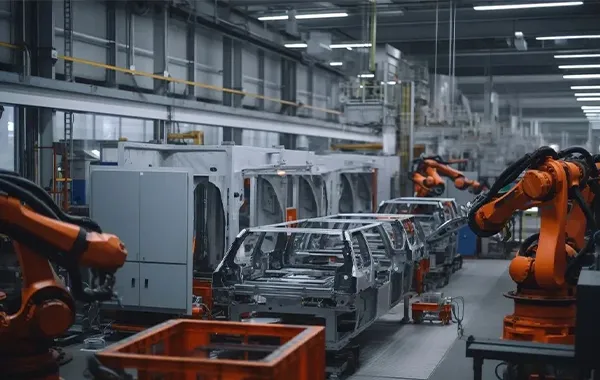
2. Manufacturing processes and quality: Observe authorized stages of vehicle production and distinguish visible process controls from internal methods that are not publicly disclosed.
3. Supplier and value-chain coordination: Discuss how a distributed supplier and production network can align around specifications, delivery and improvement.
4. Multi-brand and market positioning: Consider the different roles of Volkswagen, Audi and Jetta within the company's officially described portfolio.
5. Electrification and intelligent transformation: Explore how established production and product systems adapt to new-energy and connected-vehicle requirements.
6. People, culture and operational learning: Turn factory observations into questions about training, cross-functional problem-solving and continuous improvement.


FAW-Volkswagen

The core features of the itinerary

1. A visit pathway published by the company. FAW-Volkswagen's “Quality Journey” page lists corporate visits, group visits, workshop processes, historical displays and reservation contacts. We will request the appropriate Changchun group program and confirm its exact route, language arrangements, eligibility, safety rules and permitted photography before finalizing the trip.
2. A focused view of the Changchun automotive cluster. The headquarters and first production base offer a place to connect the joint venture's history with a wider conversation about Chinese automotive manufacturing. A second, separately booked heritage stop can broaden the context without being misrepresented as part of FAW-Volkswagen.
3. Management questions, not factory sightseeing alone. Facilitated observation sheets guide participants to record evidence about workflow, quality, supplier interfaces and customer needs, then compare it with their own business processes.
4. A practical output. At the end of the program, each team prepares a short improvement proposal with one operational problem, one pilot, responsible owners and measures of success.

Itinerary planning (3 days, 2 nights classic plan; customizable)

Planning note: This is a proposed itinerary, not a confirmed booking. The order and content of every FAW-Volkswagen visit depend on the company's reservation response, production schedule, safety and confidentiality rules. Workshop entry, specialist presentations, laboratories and executive conversations are never assumed. A museum or other FAW Group venue requires a separate booking and is not the same organization as FAW-Volkswagen.


Day 1: Understand the joint venture — history, brands and operating context

Morning: Arrival in Changchun and program orientation. Introduce the partnership's founding, the growth of its production network and the differences between the three brands as presented in the company's public profile. Participants write down the business challenges they want the visit to illuminate.

Afternoon: Proposed FAW-Volkswagen Changchun “Quality Journey,” subject to group reservation. Request the authorized route through the base's historical exhibition and any workshop areas offered for the selected date. The municipal tourism authority previously described a basic route including an Audi assembly area, a history exhibition and an open industrial district; the actual route must be reconfirmed directly with the company. If workshop access is unavailable, use the confirmed exhibition route and an off-site manufacturing case discussion.

Evening: Reflection workshop—“What did we actually observe, and what remains an assumption?” Compare each team's notes on production flow, safety and the relationship between history and current operations.


Day 2: See quality as a whole-system discipline

Morning: Facilitated learning session on automotive quality. Map the interfaces among product requirements, component supply, production, testing and customer feedback. If approved, request an additional authorized manufacturing or quality-themed explanation from the host; otherwise, use public company materials and a neutral process-mapping exercise. No laboratory access or employee briefing is included unless separately confirmed.

Afternoon: Optional, separately arranged automotive-ecosystem exchange with a suitable local supplier, educational institution or other willing host. Compare how a component or service partner interprets quality, traceability and delivery requirements. If no external company confirms participation, replace the exchange with a workshop on supplier-risk scenarios and cross-functional response.

Evening: Group discussion—“Which quality issue in our company is discovered too late?” Prepare an end-to-end process map and choose one point at which an earlier check could prevent rework.


Day 3: Connect industrial heritage with the next technology cycle

Morning: Separately booked visit to an appropriate Changchun automotive heritage venue, such as a FAW Group museum or exhibition if available. Distinguish the history of the wider FAW Group and China's automotive industry from the specific history of FAW-Volkswagen. Alternatively, hold an off-site seminar on the company's publicly stated electrification and intelligent-vehicle direction.

Afternoon: Closing action workshop. Teams present a 90-day proposal addressing one of three themes: quality at the source, supplier collaboration or the transition from legacy products to new capabilities. Summarize insights and transfer to Changchun Longjia International Airport or the relevant rail station according to confirmed travel arrangements.
 

FAW-Volkswagen

More optional learning modules (customized topics)

Different groups can substitute or deepen the following topics according to their priorities and confirmed access.

Module A: Quality management across an extended value chain

Theme: From inspection at the end to prevention across the process.

Content: Use an authorized factory observation or public case material to map handoffs between components, assembly, testing and service; identify one recurring defect or delay in the participant's own business; define a measurable prevention pilot.

Module B: Sino-German collaboration and localized decision-making

Theme: Maintaining shared standards while responding to Chinese customers.

Content: Review the company's documented development milestones and multi-base expansion; discuss where global consistency helps and where local learning should inform product or operational choices. This is a management workshop, not access to confidential partner-governance materials.

Module C: The transition to intelligent electric mobility

Theme: Building new capabilities without abandoning mature operating strengths.

Content: Compare the official history of the company's transition with publicly announced new-energy and intelligent-product directions; design a capability map covering people, process, technology and customer experience. Avoid treating an announced product as proof of a particular factory's current production route.

Module D: Supplier collaboration and operational resilience

Theme: Coordinating a geographically distributed production and supply system.

Content: Discuss supplier qualification, change management and feedback loops at a conceptual level; run a scenario exercise involving a delayed component or specification change; identify decision rights and escalation points for the participating company's own value chain.

Module E: Changchun automotive heritage and industrial learning

Theme: From industrial foundations to the future of mobility.

Content: Combine the independently booked FAW-Volkswagen corporate program with a separately booked FAW Group heritage experience or another suitable city venue. Compare what an exhibition can teach about industrial history with what an authorized production visit can reveal about present-day operations.


FAW-Volkswagen

About us

IntoBusinessChina creates customized business visits and study journeys in China. We connect company research, confirmed meetings where available, relevant local context and structured reflection so that visiting teams return with ideas they can test. For an FAW-Volkswagen program, we coordinate the reservation request and confirm the permitted route and services before offering a final itinerary.

Extended Journey: Make your business journey easier and more enjoyable